I have always loved the way the ocean is ever-changing and moving so that it hypnotizes and yet at the same time relaxes your mind. To me, she has light feet and dances the samba. But now I live in the mountains, and they are more sober than friend-ocean. They play great thunder music – symphony, not samba.
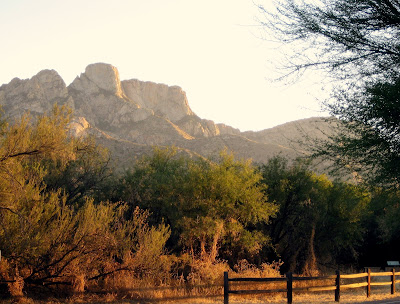
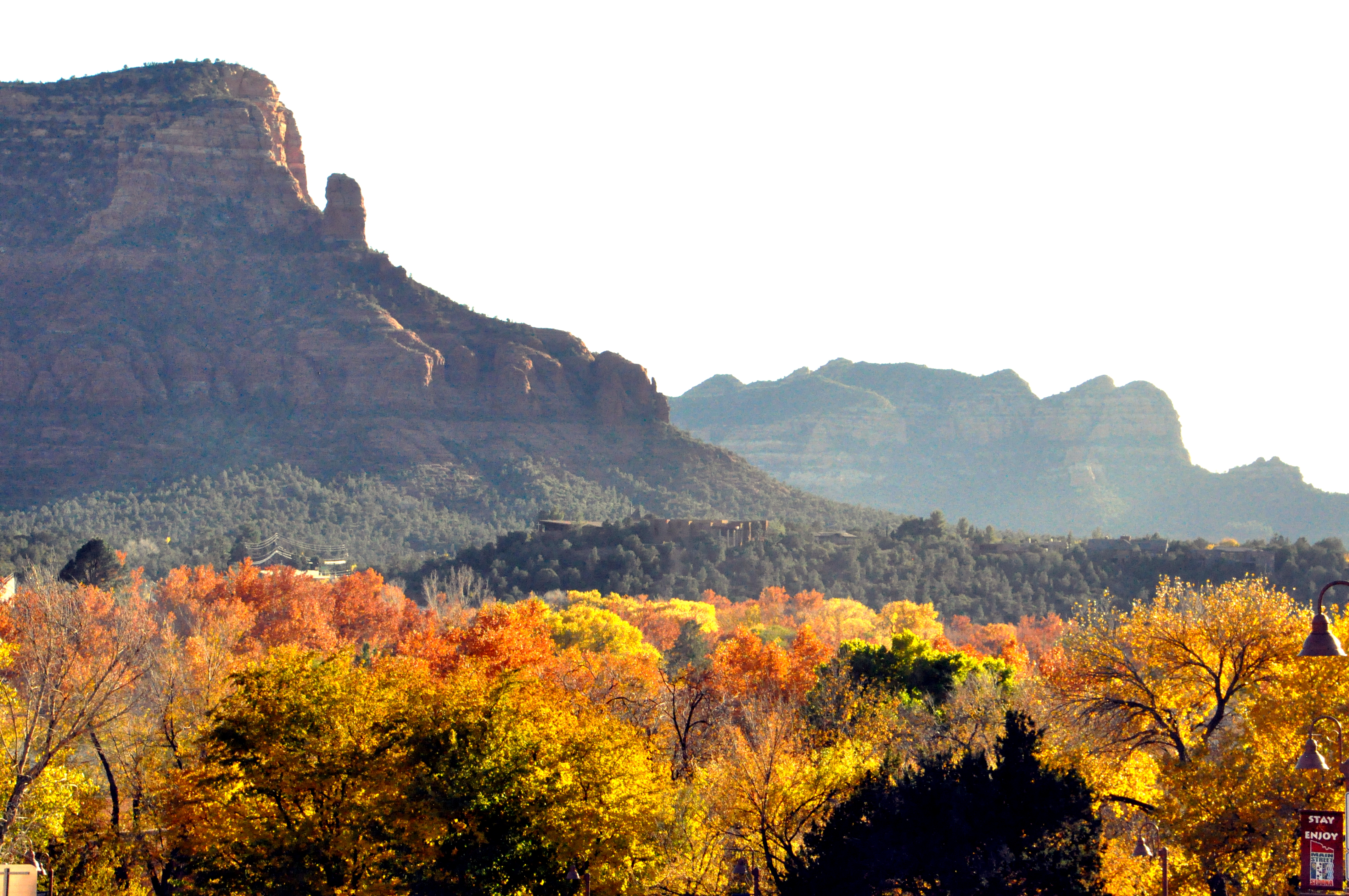
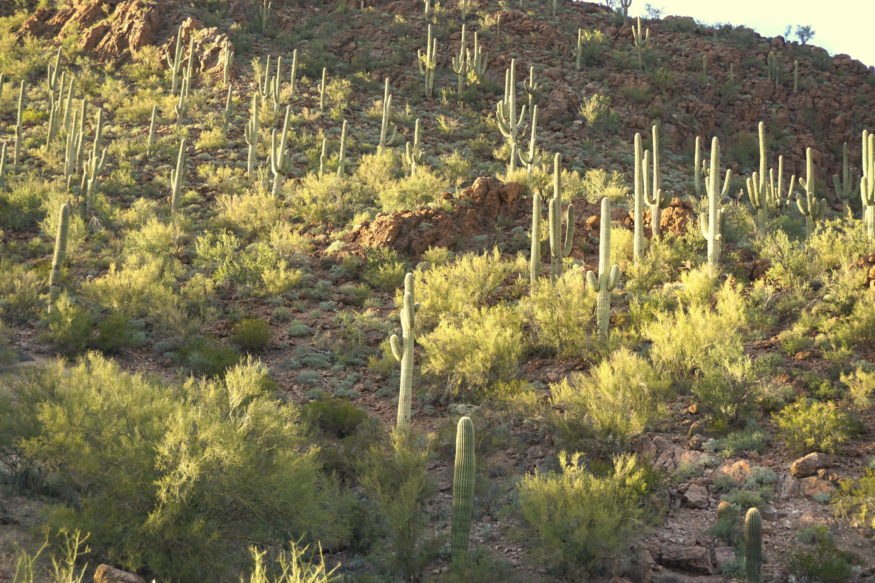
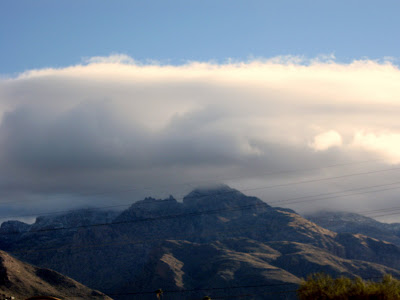
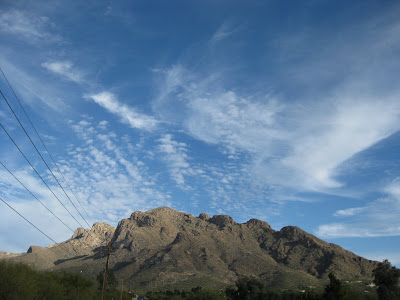
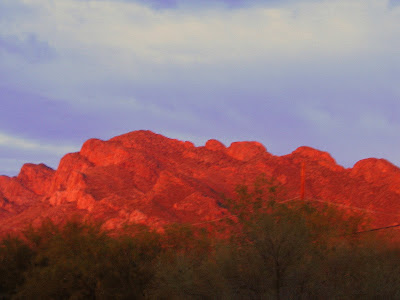
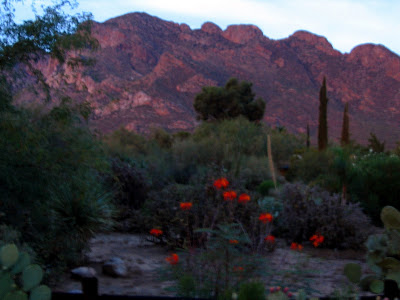
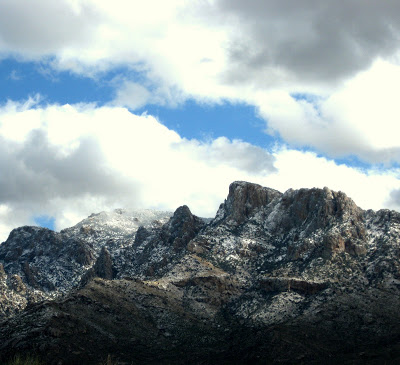
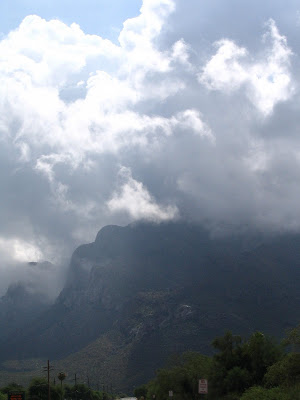
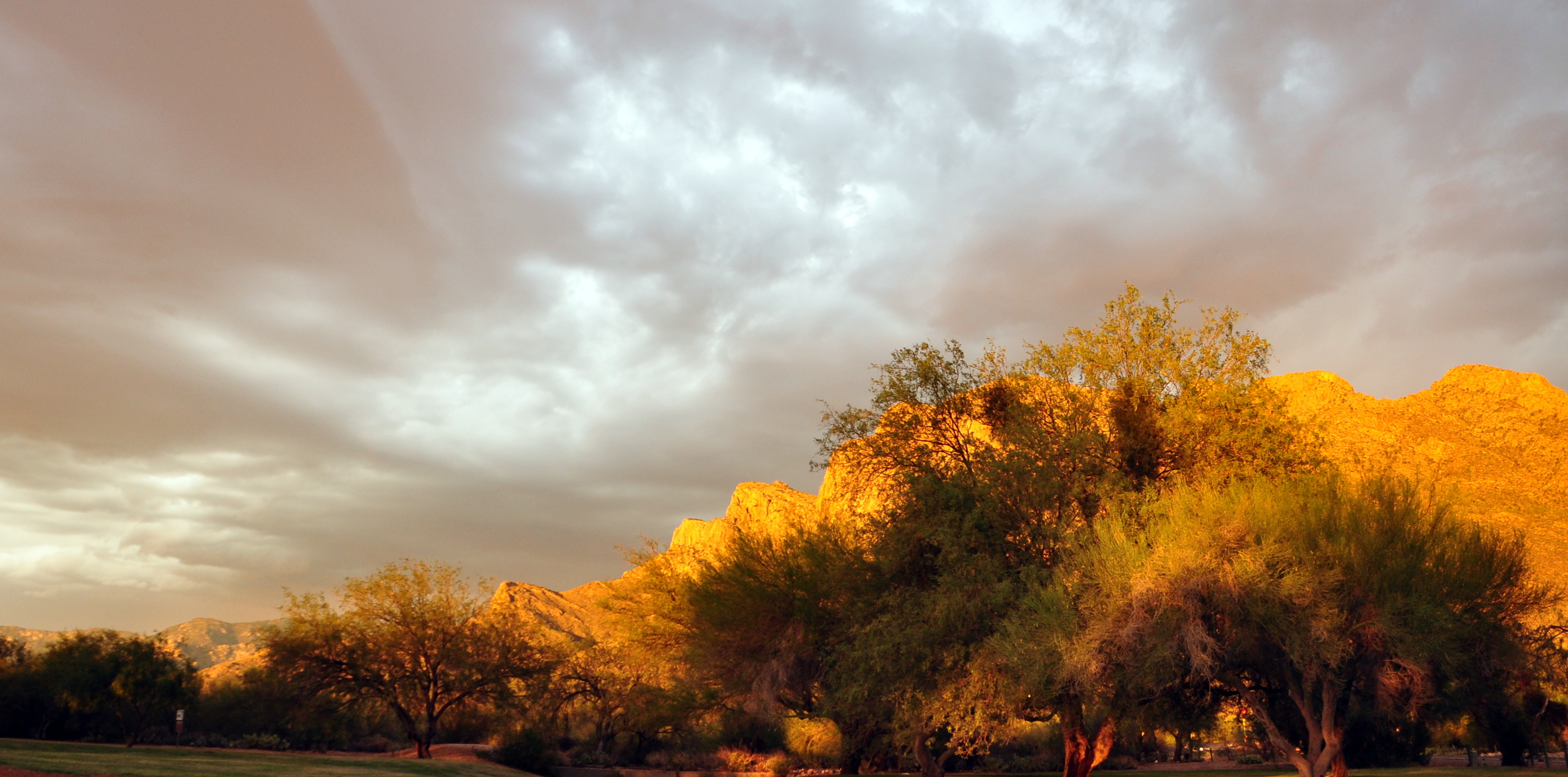
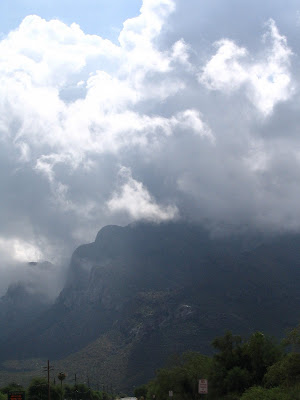
My own mountain is called Pusch Ridge but that is such a prosaic name for a huge everest that looks like a gigantic dinosaur.
I am not the only one who sees this mountain that way. A Feng Shui master took one look at Pusch Ridge and proclaimed him to be a dragon protecting our valley. Like China we too have crouching tigers and hidden dragons in our mountains. A dragon protecting your valley, though, is considered very very lucky.
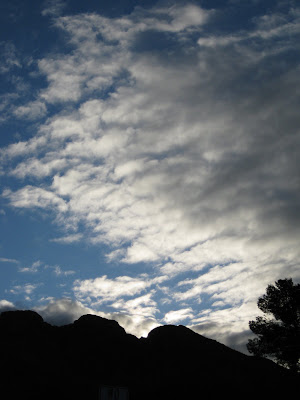
He is never the same from day to day or even hour to hour. At sunrise he wears a halo.
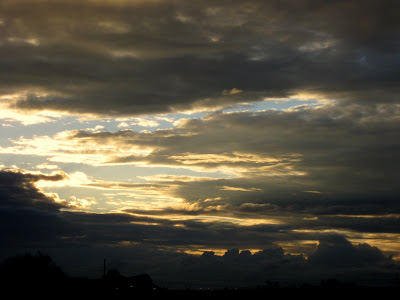
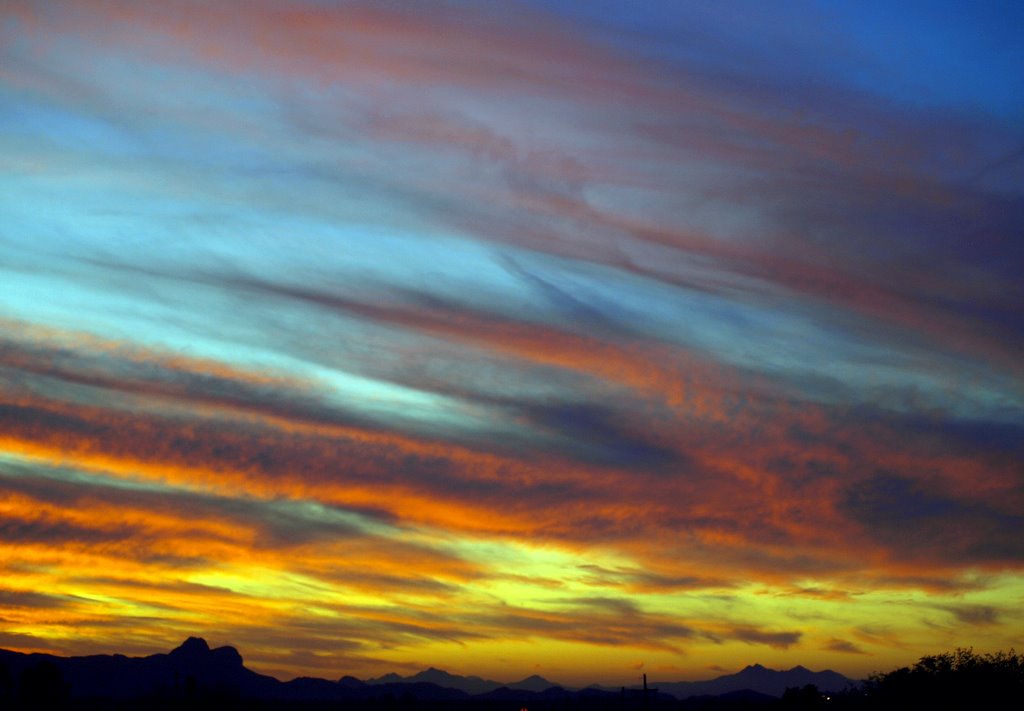
At sunset he turns bright red and then fades to black.
During monsoon he is green; during dry heat, he is brown. In some lights he is purple mountain majesty;
in others he is maroon with a white top of snow.
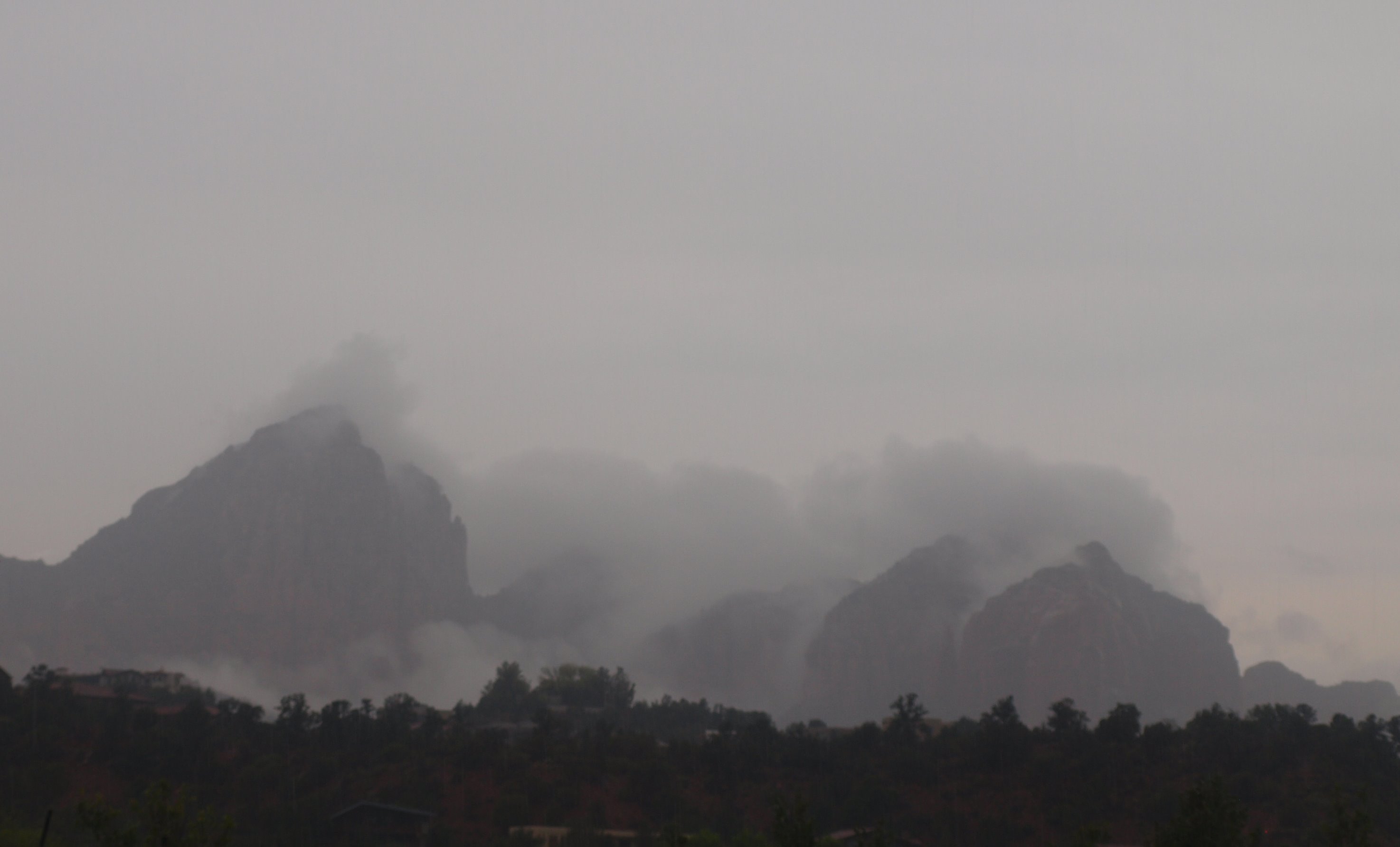
Sunlight and moonlight can drop into his holes or a cloud can turn parts of him into gray umbrage.
I greet him every day. I love him. I trust him. Like friend-ocean, he is eternal and forever.
If he could speak, he would say like the Navajo people do in their Blessingway ceremonies:
In beauty may I walk.
All day long may I walk.
Through the returning seasons may I walk.
On the trail marked with pollen may I walk.
With grasshoppers about my feet may I walk.
With dew about my feet may I walk.
With beauty may I walk.
With beauty before me, may I walk.
With beauty behind me, may I walk.
With beauty above me, may I walk.
With beauty below me, may I walk.
With beauty all around me, may I walk.
In old age wandering on a trail of beauty, lively, may I walk.
In old age wandering on a trail of beauty, living again, may I walk.
It is finished in beauty.
It is finished in beauty
–Navajo Blessingway Ceremony
Henry David Thoreau once said it is wise to fall in love with your own small and special piece of real estate. He had Walden Pond, but I think he would have loved Pusch Ridge.
“Yosemite’s mountains are calling me, and I must go back, ” John Muir wrote.
What he wrote is true.
Yosemite haunts you with its beauty, until the memory of it gets into your mind so that you have to go back.
I was lucky enough to return to Yosemite, but I felt disappointed because it was raining.
After all, the reason you go back to Yosemite, as Muir said, “is to hear the waterfalls and birds and winds sing … and to get as near the heart of the world as you can.”
This is hard to do when you’re standing under a waterfall and getting soaked.
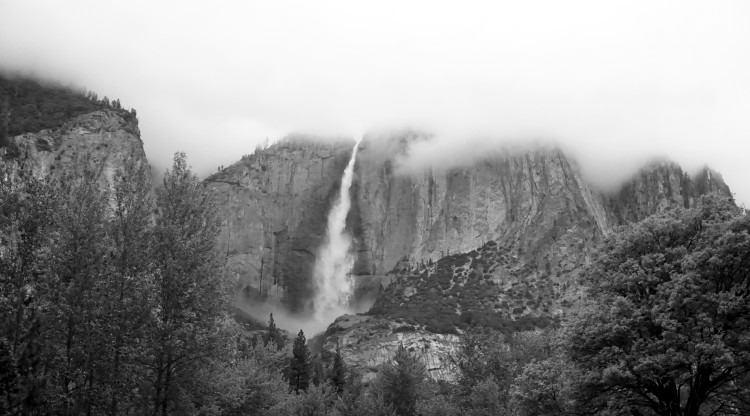
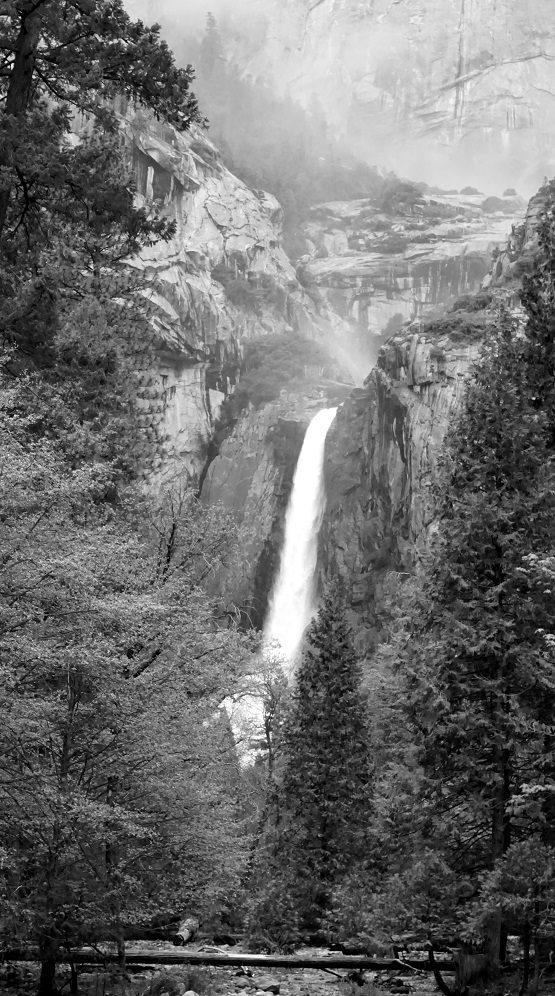
In fact, it was raining so hard that the Upper Yosemite Falls merged into Lower Yosemite Falls, creating one giant gush of water falling 2400 feet.
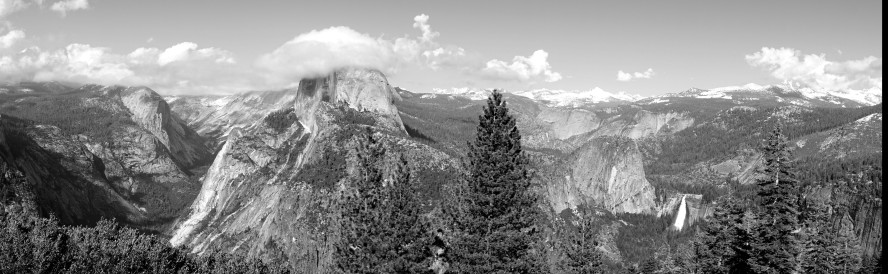
I climbed up to Glacier Point where the incredible view was so squishy and obscure with rain that the tops of the High Sierra disappeared into gray brume. I watched a dragon cloud slowly sneak up on a darkened peak until he embraced it with his gigantic arms and wrapped his fingertips around it until the peak itself vanished.
It kept raining and raining. I felt disappointed until I thought about Ansel Adams.
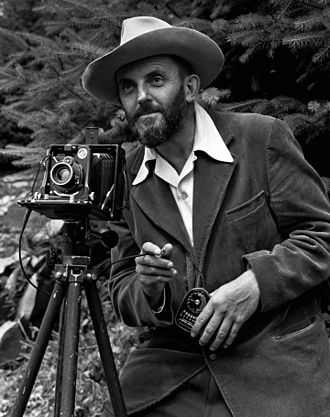
Ansel Adams was the first to photograph Yosemite. He took his pictures in black and white because they did not have color process in the 1920s. I found out that when it rains, Yosemite becomes a black and white image. Now I could see it the way Ansel Adams did.
Ansel Adams had an intention of how every picture should turn out. “I had been able to realize a desired image, not the way the subject appears in reality but how it feels to me and how it must appear in the finished print.” He captures the beauty of the High Sierra in bold contrasts, dark and white lines, and white images of misting falling water. His Yosemite pictures are beautiful, emotional and unforgettable, even though they are in black and white.
Ansel Adams with the perfectionism of a real artist would sometimes sit in front of a mountain for hours, waiting for the right moment. But on that rainy day in Yosemite, it occurred to me that perhaps he was sitting there because he liked to, because he was listening to the waterfalls and birds and winds sing, and getting as near to the heart of the earth as he could.
Ansel Adams’ pictures are copyrighted so they can’t be reproduced here, but key collections are stored at the Center for Creative Photography here in Tucson.
The other day it rained in the Sonoran desert. It took perhaps a month to build up to it; the desert is not a place for rain.
The sun shines 360 days a year, it hardly ever rains. Desert rain comes inbetween great lengths of sun; waiting for rain is like walking on pebbles that are too far apart.
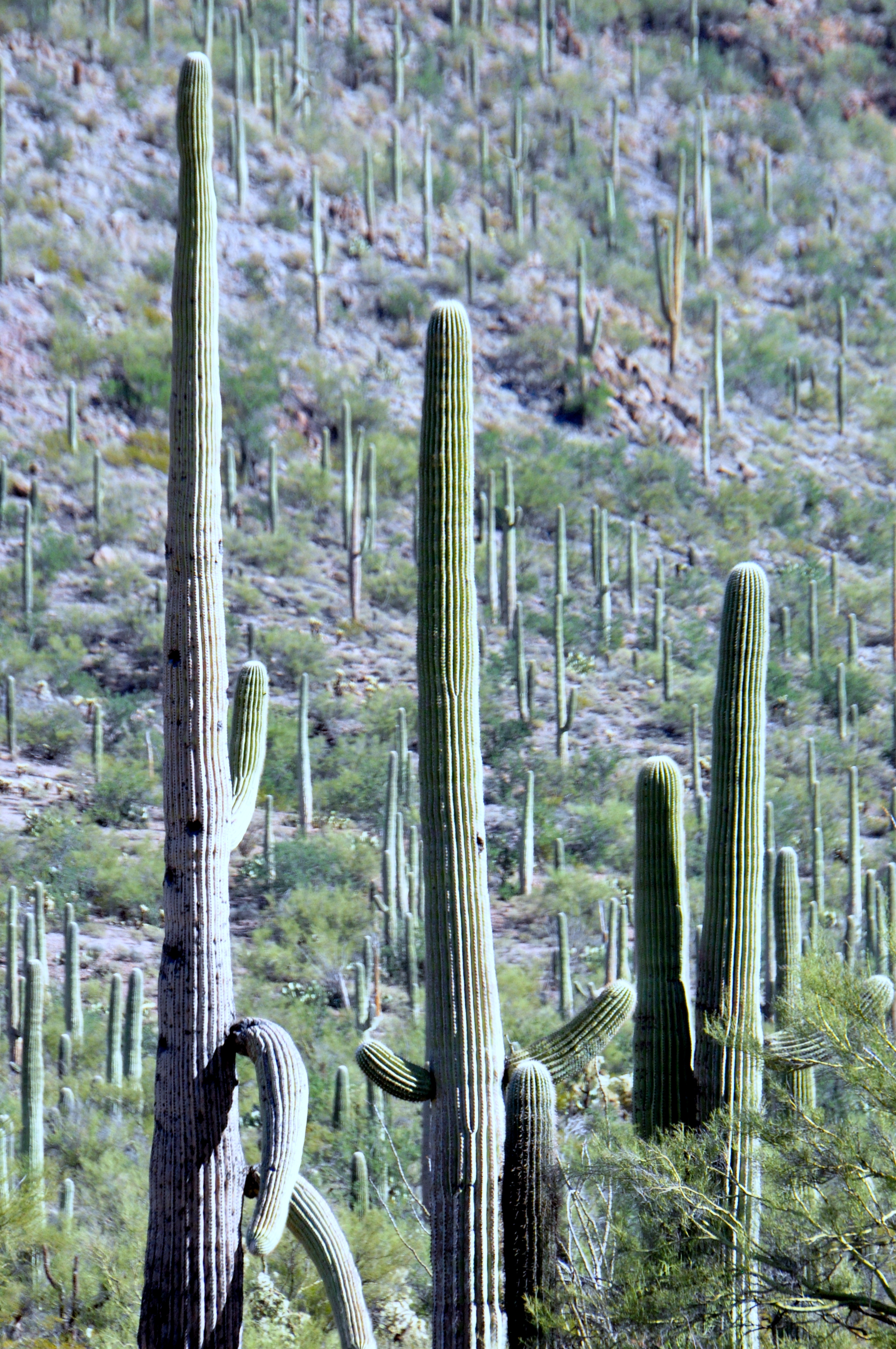
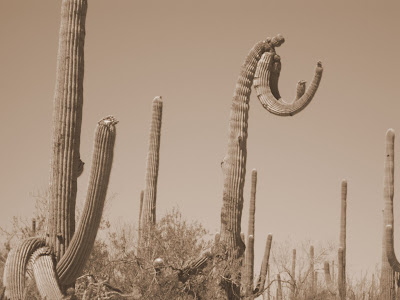
Without rain, the plants in the desert grow brown. They lose their tops first — their tops shrivel up and fall off and then the whole plant goes into shock and struggles to survive. The big saguaro cactus turn into drying watermelons; the paws of the prickly pear go from thick and chubby and childlike, to old and dry and thin.
Meanwhile, the sun keeps shining in its fake-friendly way, forcing the animals into panic. They drink every bit of standing water left; when that disappears, they suck water from cactus; when that dries up, they must go without water. Snakes, lizards, turtles – they are the most fortunate because they can go without drinking for the longest time. The liquids in their bodies become so concentrated as to be poison. The mammals –bobcat, pack rat and coyote — are less fortunate. A local mountain lion, so desperate for water, comes to a children’s park to drink from the swimming pool.
A terrible tension builds up in the desert as the plants struggle against wilting, drying and premature death, and as the animals slow themselves down to survive. There is no water, no water anywhere. Arizona has great beds of dry sand where rivers can run, and long stretches of dry creeks that run from the mountaintops to the valleys, but they run dry between rains.
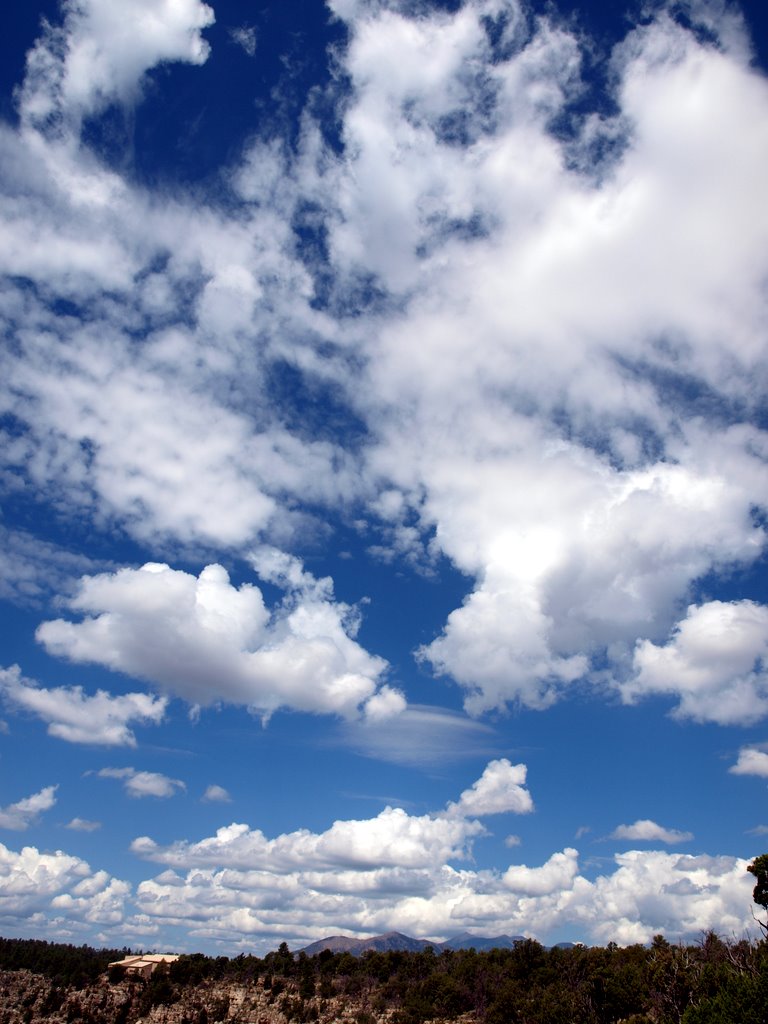
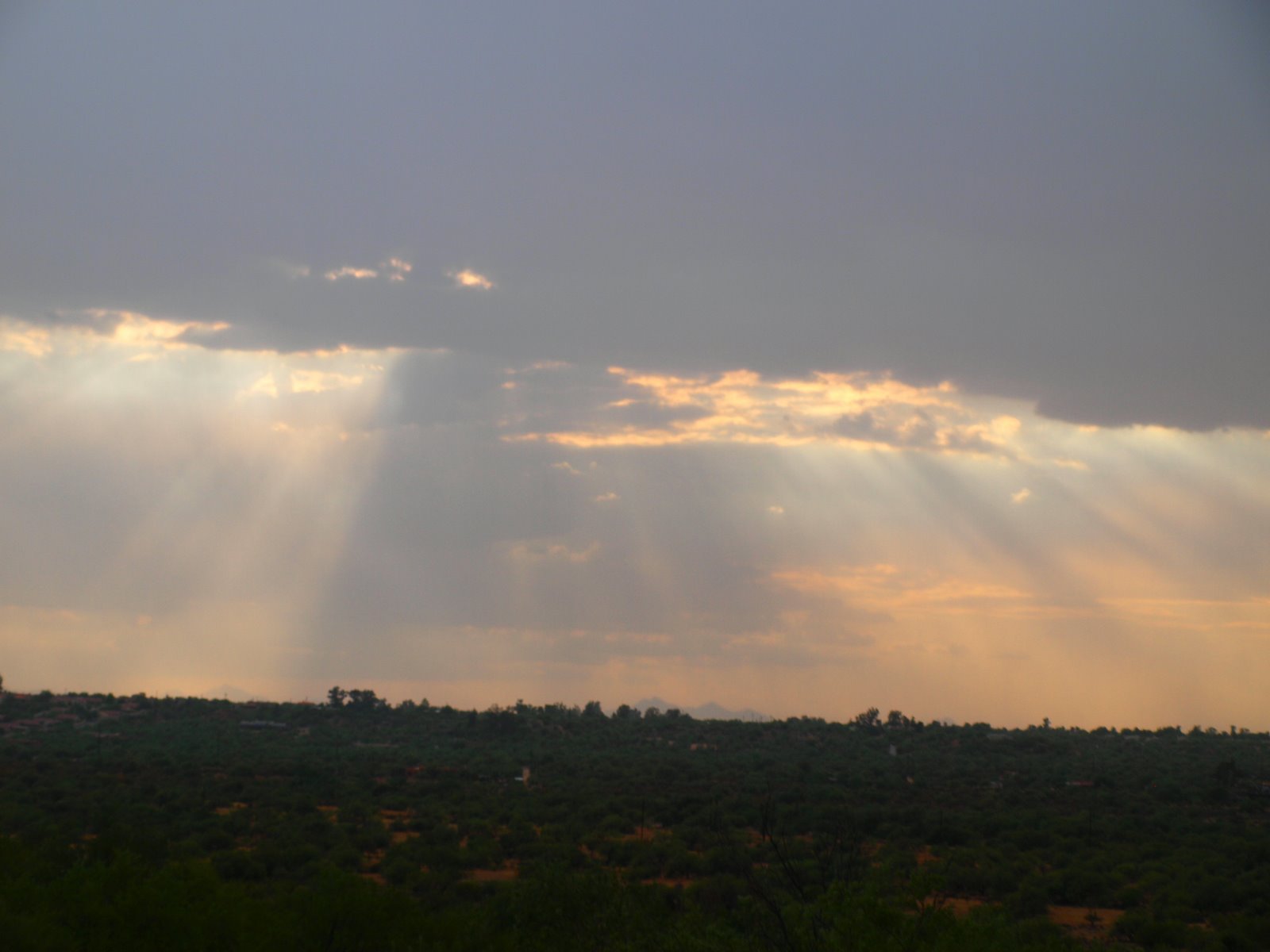
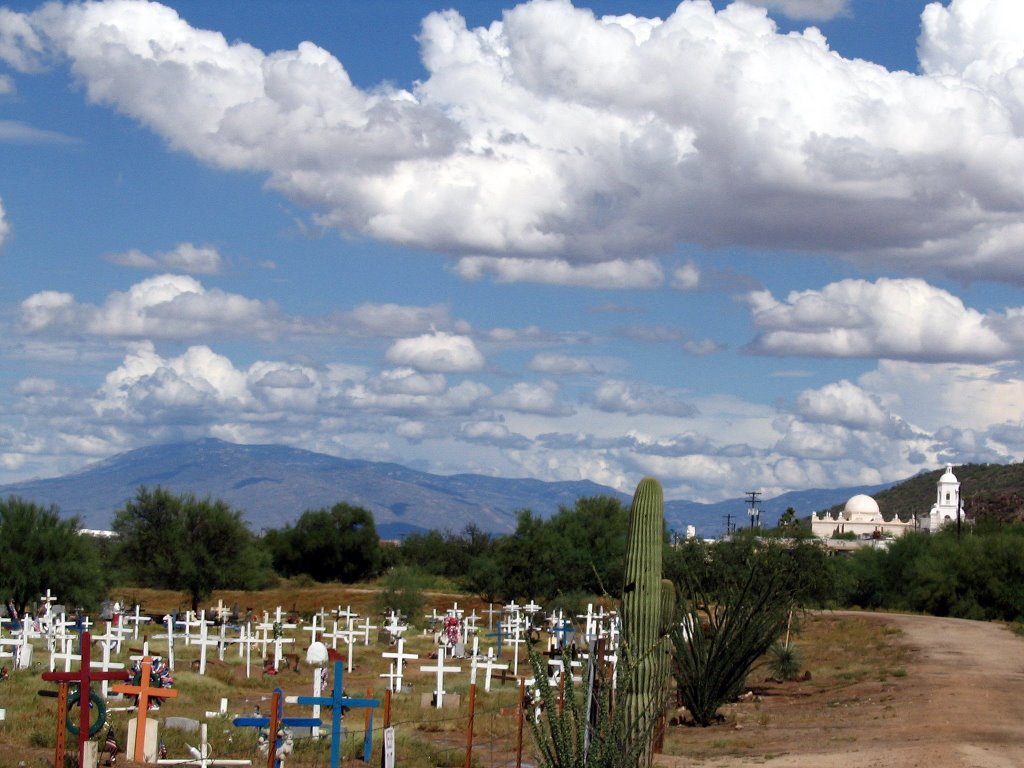
Then one day, the storm begins to spin itself! Big dramatic white clouds take days and days to form in the clear turquoise sky like the overture of a grand symphony.The Navajo call the spirit of rain Yei. On his body are bars of rain, on his wings hang bags of water, his legs are dark clouds, his hands and feet are lightning. At first Yei brings his gifts slowly, gently.
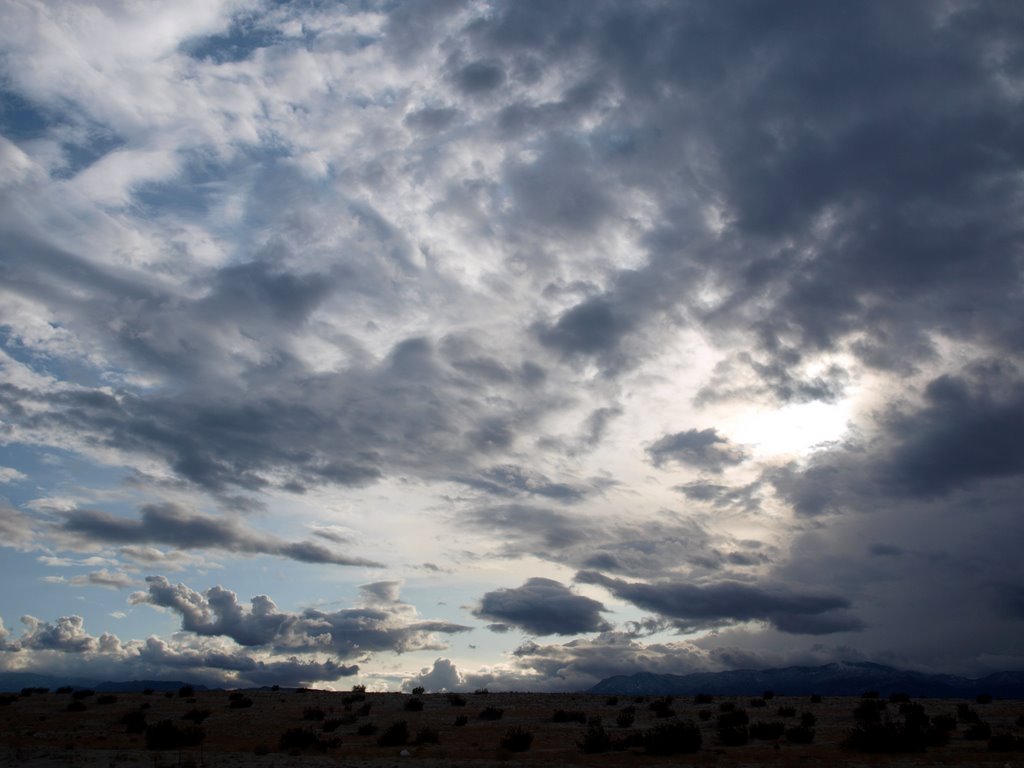
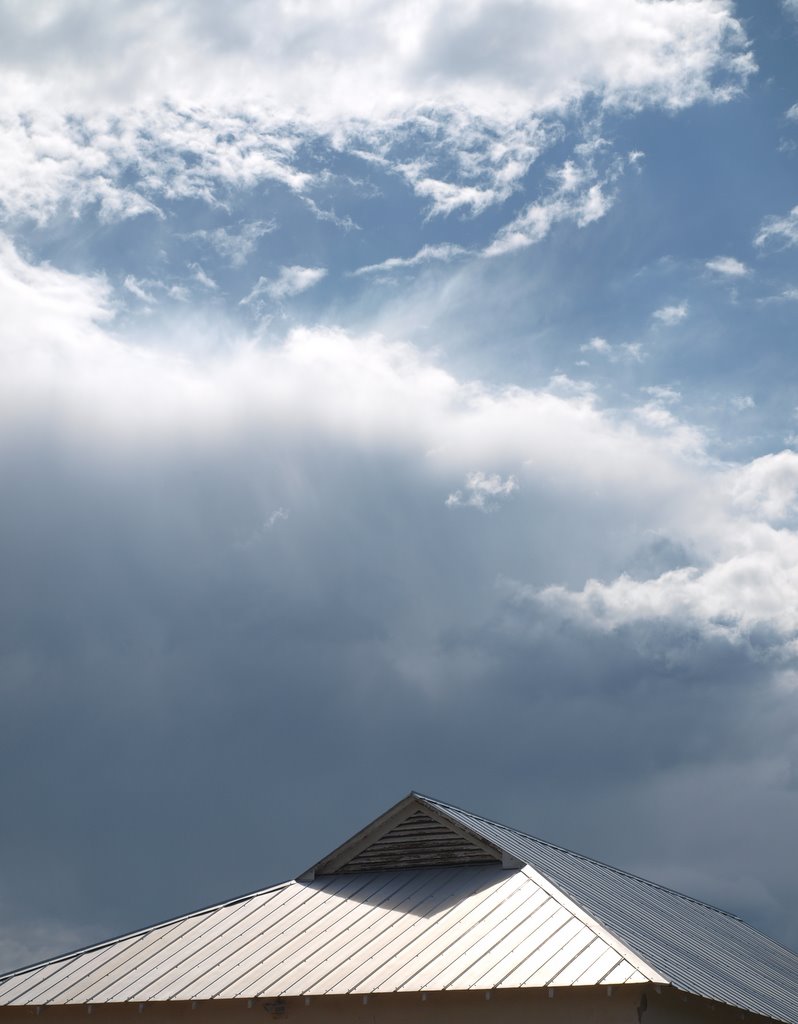
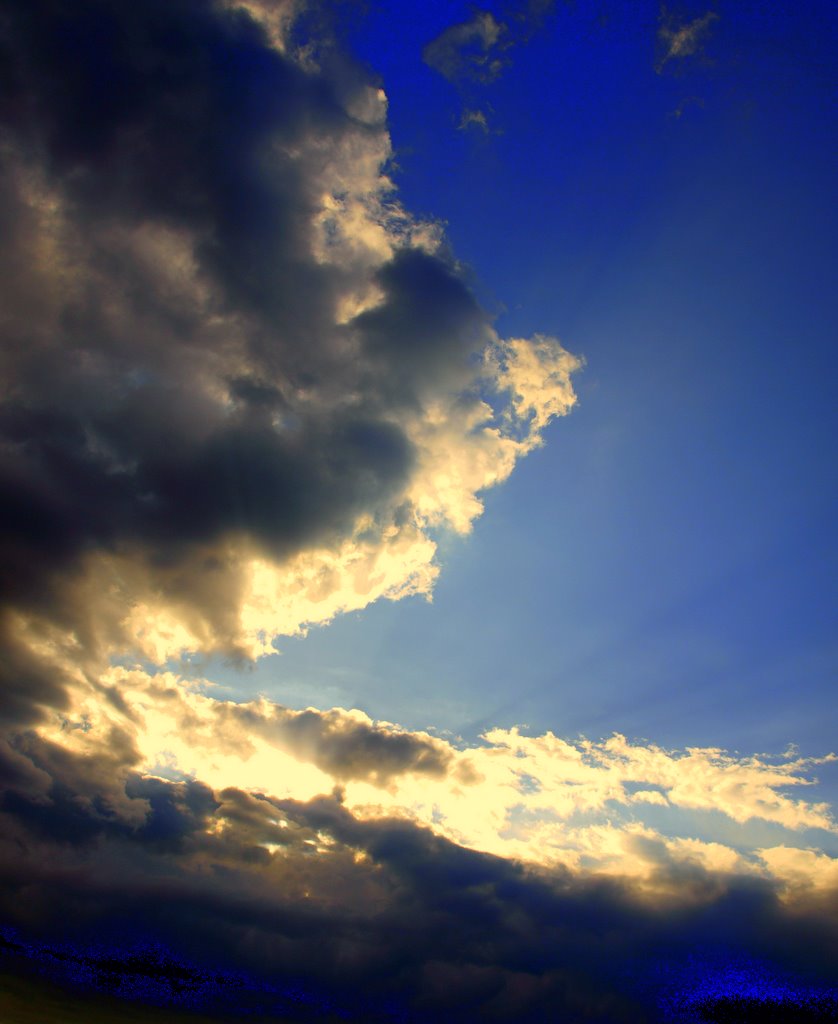
Then the whiteness turns strange unearthly colors: –grey, black, blue, pink, orange– like a horrible gigantic bruising wound in the heavens.
Thunder roars – something has to let loose and something must crash and shake down the sky! there’s too much tension! So it rains, how it rains, rain like you’ve never seen before!
The people of the Tohono T’oham Nation, the Native American people here, say the desert smells like rain. Now as the desert rain comes down in great solid sheets of water, it does. The desert has the musty odor of wet creosote, and it smells like rain.
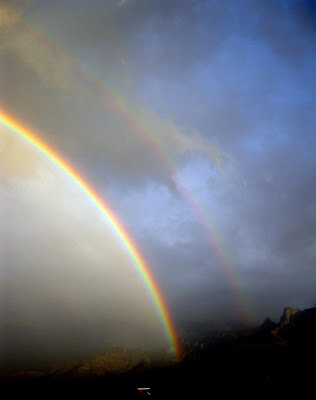
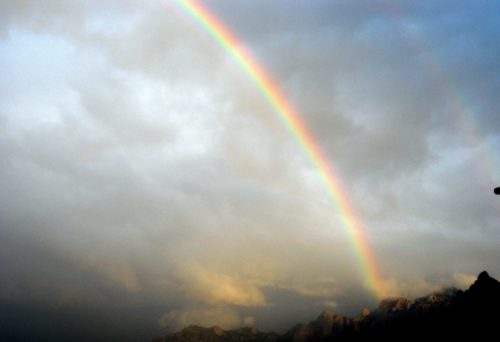
Then two great arcs of color form over the Catalinas: a double rainbow: red, yellow, blue, violet. Bright light of color, lighting the soft pastels of the desert into the colors of jewels: emerald, citrine, ruby, sapphire.
The riverbeds fill up and develop currents that drown automobiles and people. The little dry creeks run again.
It’s dark and very cold for us outside, but we run out barefoot anyway to see the desert rain. Everyone is out for the party – bobcat, snake, lizard, coyote, puma – everyone’s out for a drink – just because it rained.
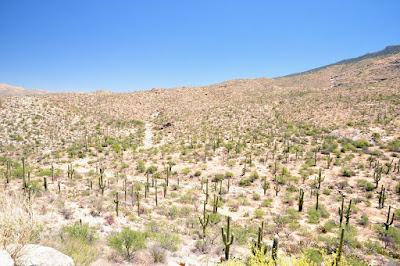
I don’t think there is a place as quiet as the Sonoran desert in summer noon. The temperature is an impossible 119 degree inferno in the shade but then, there is hardly any shade. I call it “white heat.”
It is the white quiet heat that rises and radiates above the quick licking tongues of fire. White heat, a white aura rising from the desert ground. White heat bleaching away the colors from the desert so everywhere you look, it is faded and brown.
Noel Coward said only mad dogs and Englishmen go out in the noonday sun, and he was right. It is madness to stand out here. No one and nothing is out here, which is why it is so quiet.
The silence is all encompassing – nothing stirs, not even the tips of trees. Desert colors are subtle, mostly a series of pastel greens, but the white heat and the silence fades them.
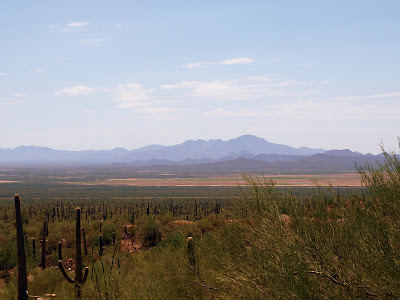
I can see for miles and miles and miles past the mountain ranges and into skies a hundred miles away, and nothing moves, not even a leaf. I can see for miles and miles, but I can’t hear anything at all.
Why listen for a leaf? — cactus don’t have leaves – their leaves have shriveled up into prickly needles eons ago, sturdy little stubby things that stand up and bloom in the noonday sun. I admire them.
Where is everyone? It is so silent here, it is so quiet. Nothing stirs, not even the tips of trees.
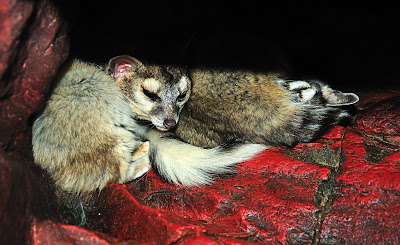
Everyone has gone underground where it is cool or else they are sleeping under cool rocks. They are sleeping and they will do their foraging by moonlight.
A kitfox ..
…
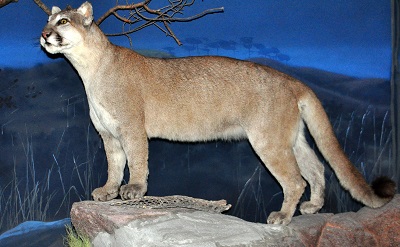
A puma …
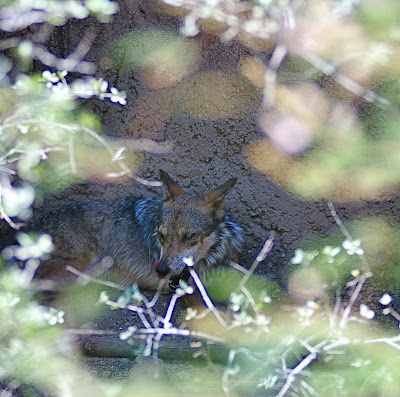
A Mexican wolf
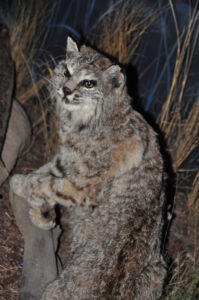
A bobcat …
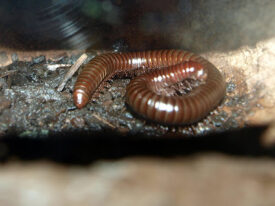
Even a centipede…
They are sleeping, sleeping past the noonday sun. It is so silent, it is so quiet as Brother Sun casts down his white heat rays. Summer heat, white heat, so very very hot.
Finally the sun’s cruel rays slant and wane in late afternoon.
Mercifully, Brother Sun is walking to the other side of Mother Earth.
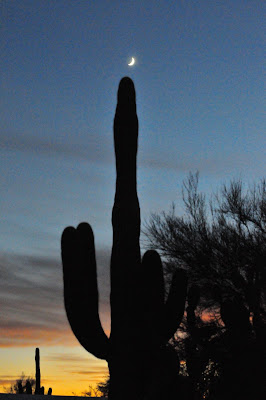
Now the creatures will come out and they will dance by the light of the moon. They will dance all night until the desert sleeps again, until she sleeps in the white heat of summer.
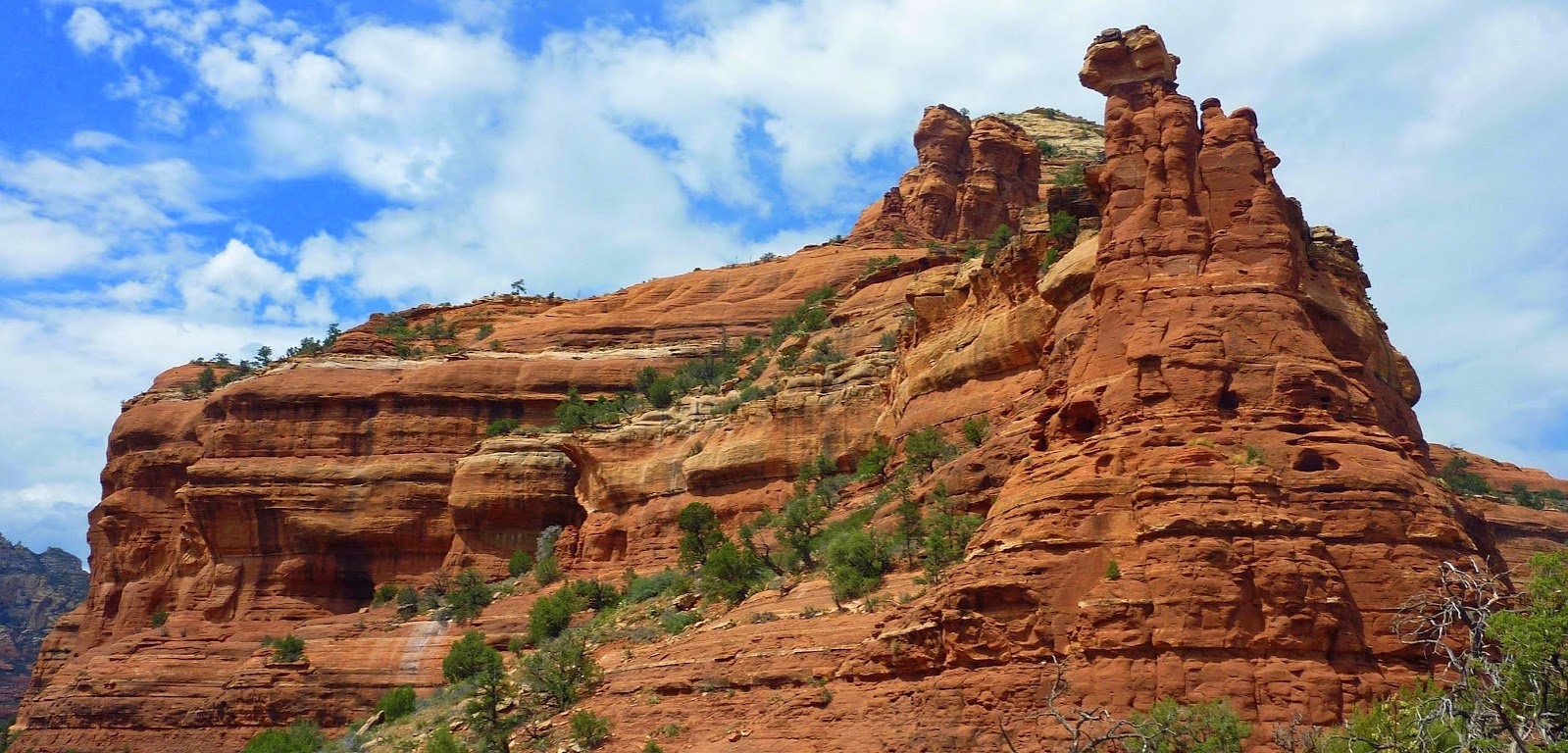
Usually I am standing by a vortex .. One of the seven energy votices in Sedona. Each one is sacred to the Native Americans, who have always called Sedona their home. They don’t go there to hike but rather for vision-quests or to work out their medicine.
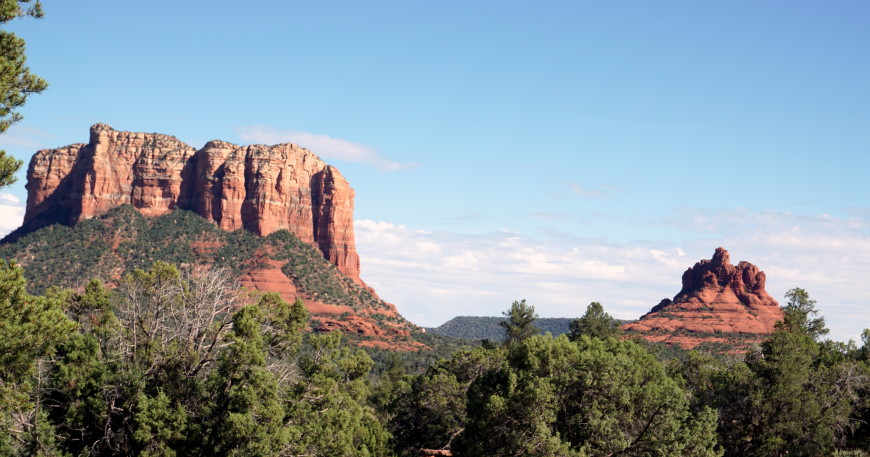
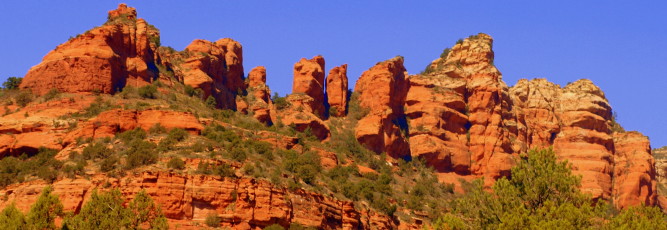
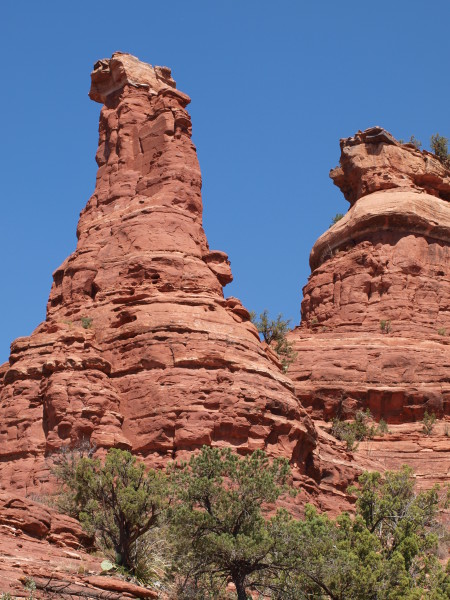
The sky is always this bright turquoise and the rocks with their turrets and furrows are always this intense rust red ..
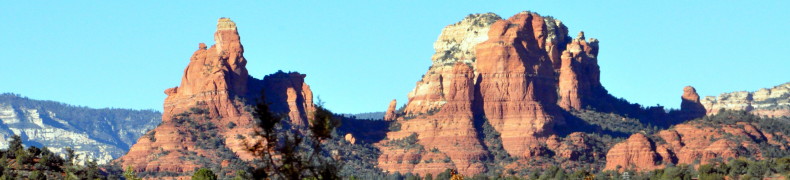
Sometimes I look up and see the red rocks cast an enchanted jagged outline against the sky .. rocks that have this magical quality to form a dreamscape you’ve seen before .. You get deja vue the first time you stand there … even if you know you’ve never been there before … because you are looking at a place that exists and has always existed somewhere inside you … A place of “Then sings my soul… How great Thou art …”
The New Age People say a vortex is where the earth’s energy is more concentrated, and it is supposed to awaken you. The word conjures up a volcano shape and a whirlwind of energy — funneling and fierce.
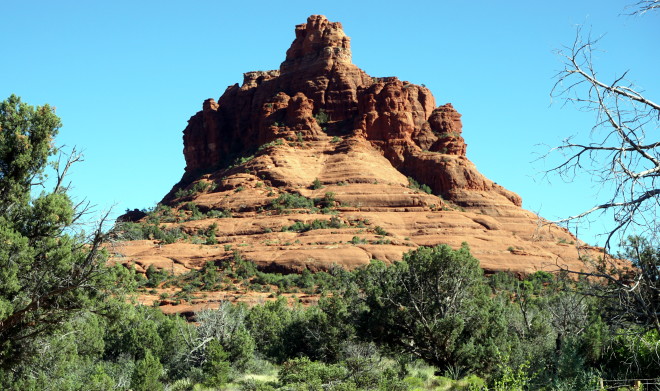
The vortex at Bell Rock actually has a funnel shape …
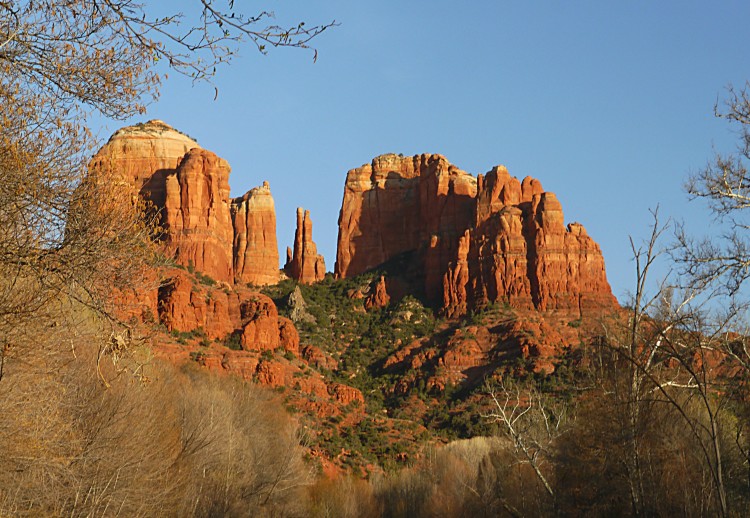
While the Cathedral Rock vortex looks like this …
Another vortex sets near the entrance of Oak Creek …
Boynton Canyon vortex has Kachina Woman jutting out like this ….
When you stand in a vortex in Sedona, all you may feel is a lightening up … it may just be a slight feeling of relaxation … as if you are being carried along weightlessly …
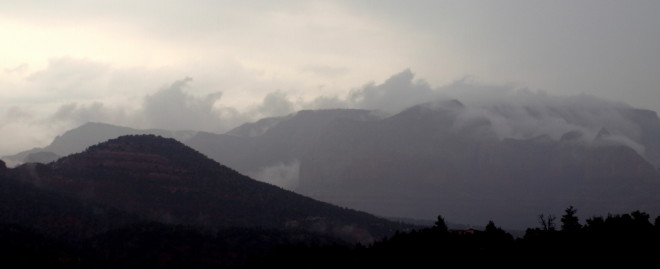
I have been to Sedona many times .. And once I even went there in a dark gray rainstorm. At first I felt disappointed until I went out walking and I could see that…. even without its colors, Sedona is just as magical and just as enchanted, but in a different way.
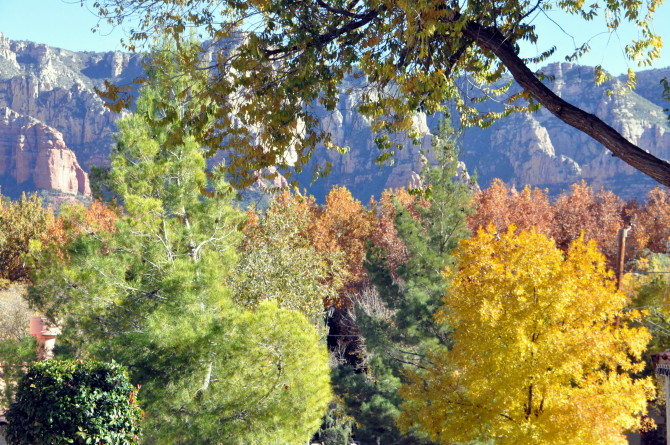
Yet it is the colors that always call me back. They are a kindergartner’s colors .. a primary crayon box of bright red, green, yellow and blue.
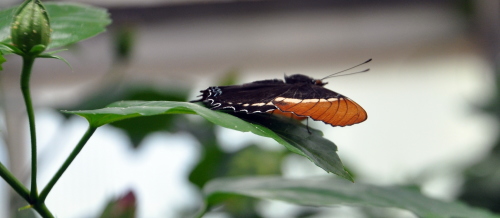
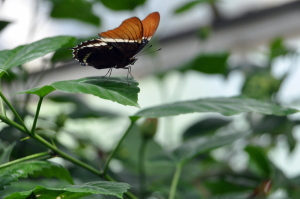
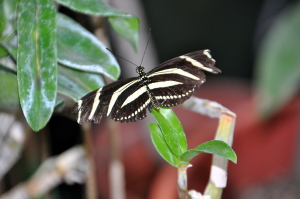
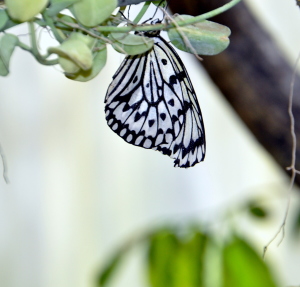
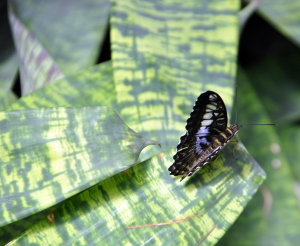
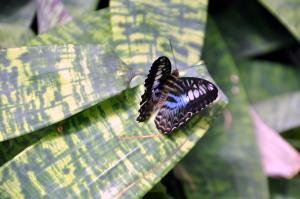
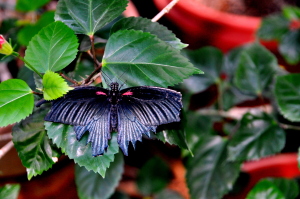
Once a year the butterflies come to Tucson Botanical Gardens . I love to watch them, although I have a friend who won’t. She believes that they are unhappy and beating their wings and fluttering like maniacs trying to escape through windows.
I don’t think so.
I think fluttering is what just what butterflies do.
Butterflies just flutter. They would flutter in or out of cages. They just flutter. They fly and flutter in straight lines, in circles and from this to that and they do it all day long.
They flutter all the time and you can’t figure out any rhyme nor reason why they do it.
Butterflies seem to have a lot of leisure,
which is shocking when you consider that they were once hardworking dedicated caterpillars who first had to eat all the time to get fat and ripe, and then had to build cocoons, which was also a lot of work. It was even more work to get out of the cocoons and get to be butterflies, who basically just flit through their days. George Carlin once said caterpillars do all the work but butterflies get all the publicity.
I am sure butterflies flutter and flit around in no particular pattern or meaning. In fact, Emily Dickinson once confessed that she could not trace a design in butterfly wanderings either, although she thought perhaps clover understood them.
In any event, butterflies look as if they are having a good time all day long for they are so very light, as if they take life lightly too. They get criticized for not being hard-working like bees and ants, for just laying around and goofing off — as if they’re getting away with something,
But after all, they are butterflies and that’s just what butterflies do.
I like them just the way they are.
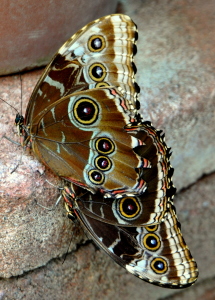
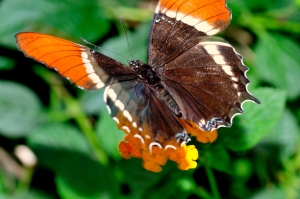
It is so hard to take their pictures for butterflies don’t hold still, and this is frustrating because they are so beautiful and live such short lives, they deserve to have their pictures taken! The delicate patterns on their wings in all those colors and those swirly lines and circles! How exquisite is that? But they don’t take themselves or their beauty seriously enough to hold still for their picture.
I love the way they slit themselves up into little black lines and then flash! –They open up those beautiful wide wings! One poet compared their wings to parasols opening, but to me, butterfly wings look more like the fans that beautiful geisha girls use. Open! Snap! Shut! Snap! Open! How cool is that?
They are so much like flying flowers that their name could be flowerfly, although I like their real name better. Their real name has a lilting music to it…. butterfly …. butterfly …. butterfly … butterfly… butterfly… butterfly …. butterfly …. butterfly … butterfly… butterfly… all day long… butterfly… and yet one more time butterfly …just the way you are… butterfly.
In the spring of the year the Sonoran Desert goes from light green to yellow.
Everywhere you look you see yellow.
Spring picks up her color crayons and throws them all away except for one, and then she colors it all yellow.
Palo verde trees hang heavy with yellow, yellow falls all over their feet, yellow creates a carpet beneath them, as if it had snowed yellow snow. The yellow of palo verde trees against the bright blue Arizona sky is electric … so electric that you feel as if yellow fire alarms are going off in your head.
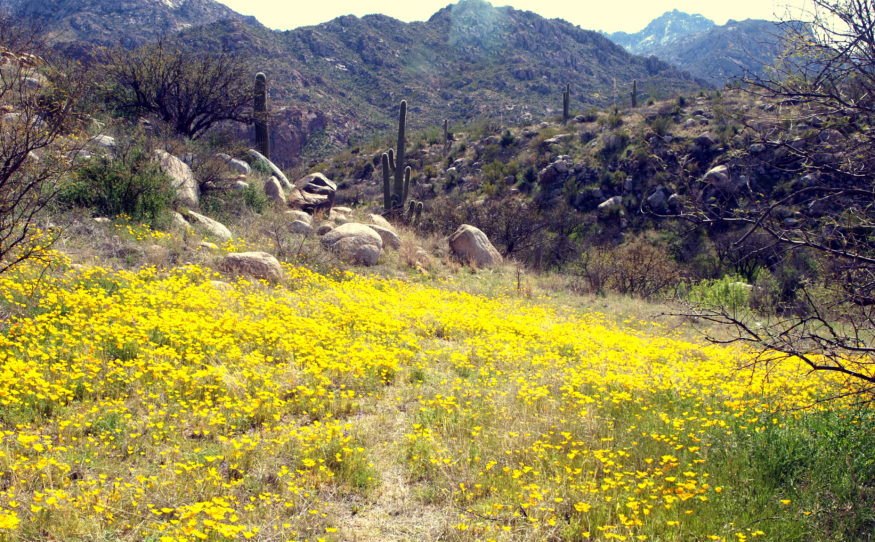
In the spring of year in the Sonoran Desert if you walk in the mountains, if you walk in the gray and black shadow mountains, suddenly you’ll see fields of wildflowers, and pop! They are all yellow.
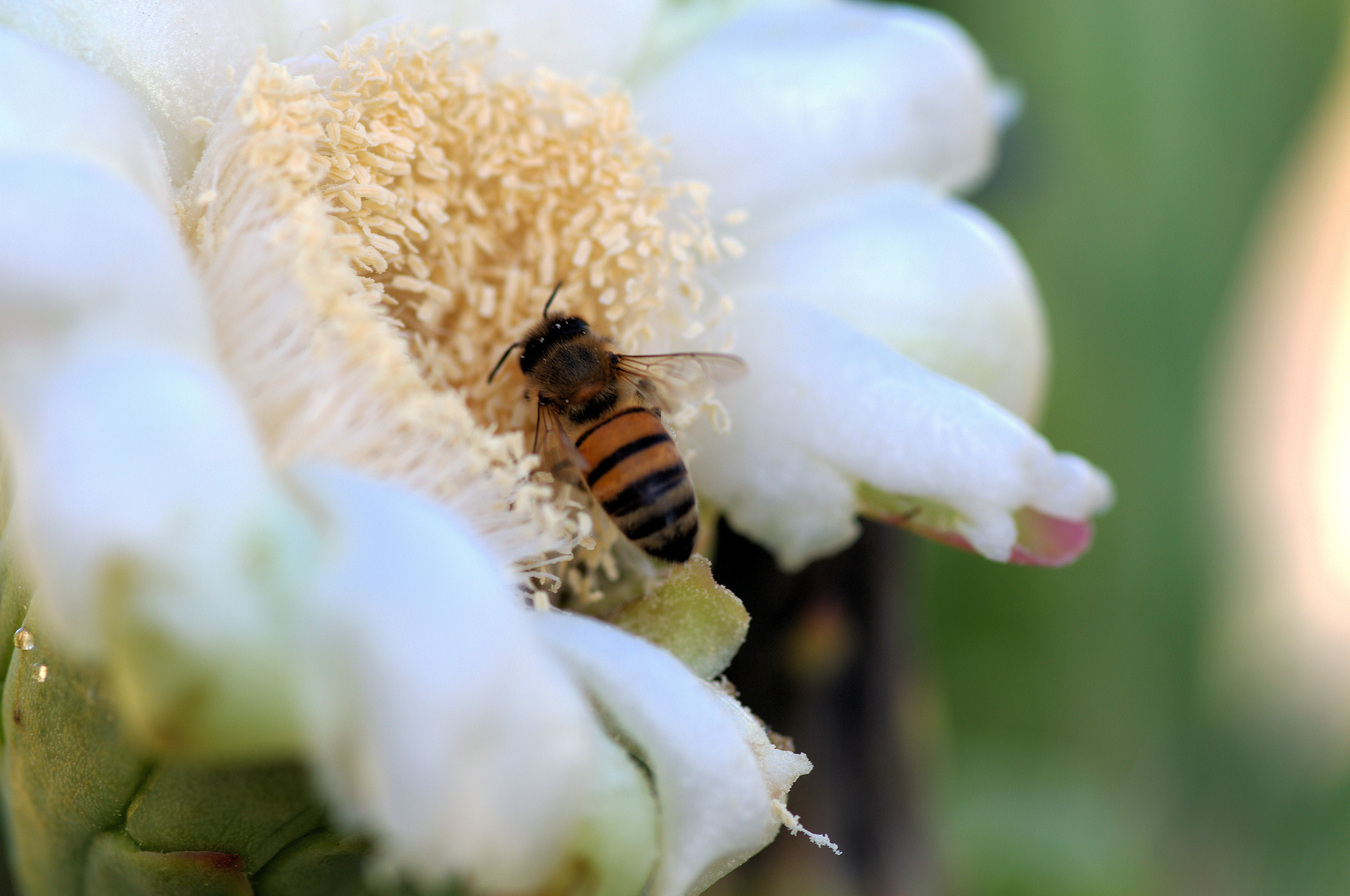
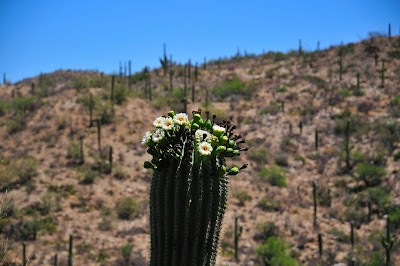
All day long everywhere you look, yellow … the yellow sun lights up yellow wildflowers and gentle yellow wax flowers on the saguaros smiling and welcoming golden bees …
No one can explain yellow to someone who cannot see it. The dictionary says yellow is the color of ripe lemons, but what does that mean? Is the color of your ripe lemons the same color as mine? Just thinking about yellow, that is.
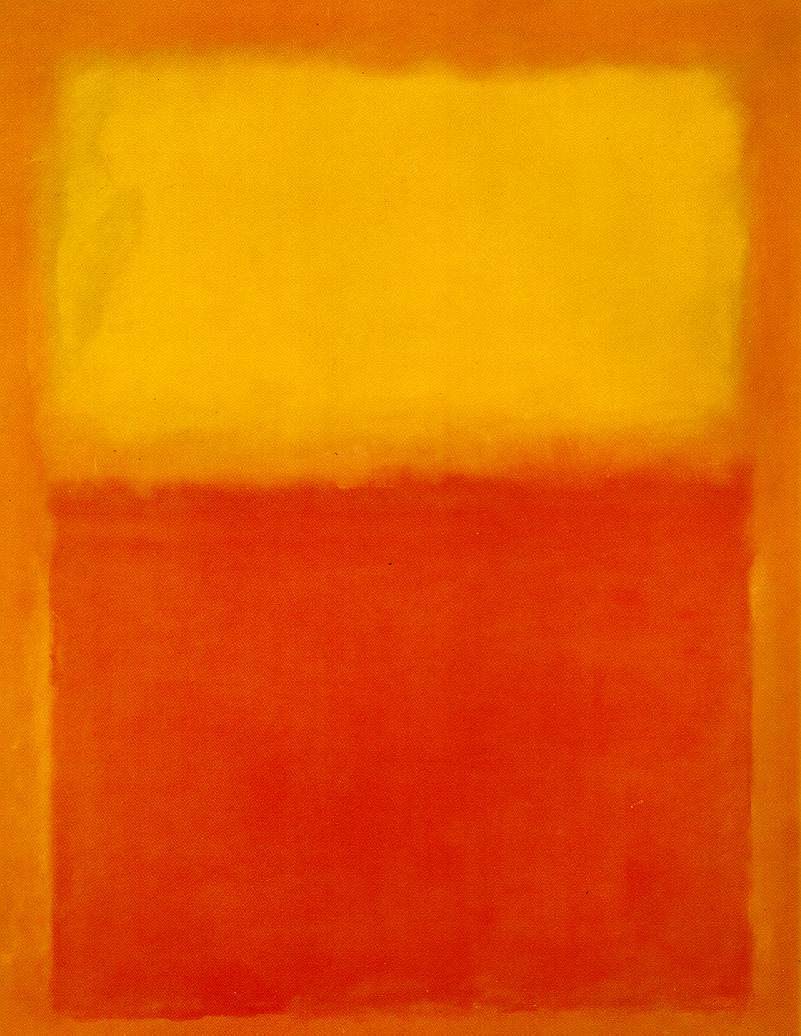
Mark Rothko, the American artist, made gigantic paintings of yellow. Once he painted a huge picture of a yellow square on top of an orange square… so everyone could see the difference between the color yellow and the color orange. Rothko’s idea is simple but yet it is profound in its own way.
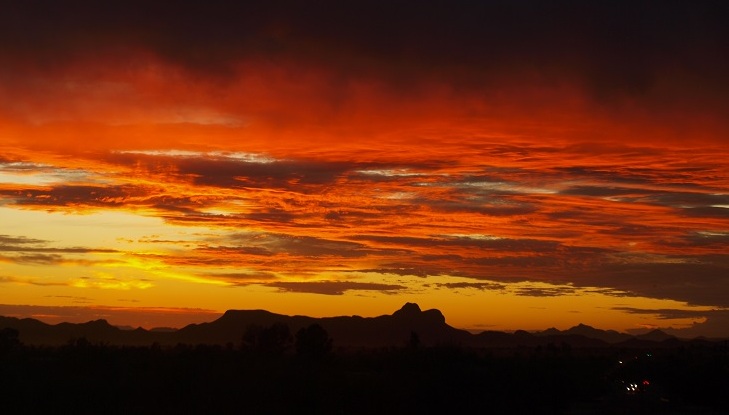
In the Sonoran Desert the sky paints its own Rothko painting … the sky makes its own comparison of orange and red and yellow…
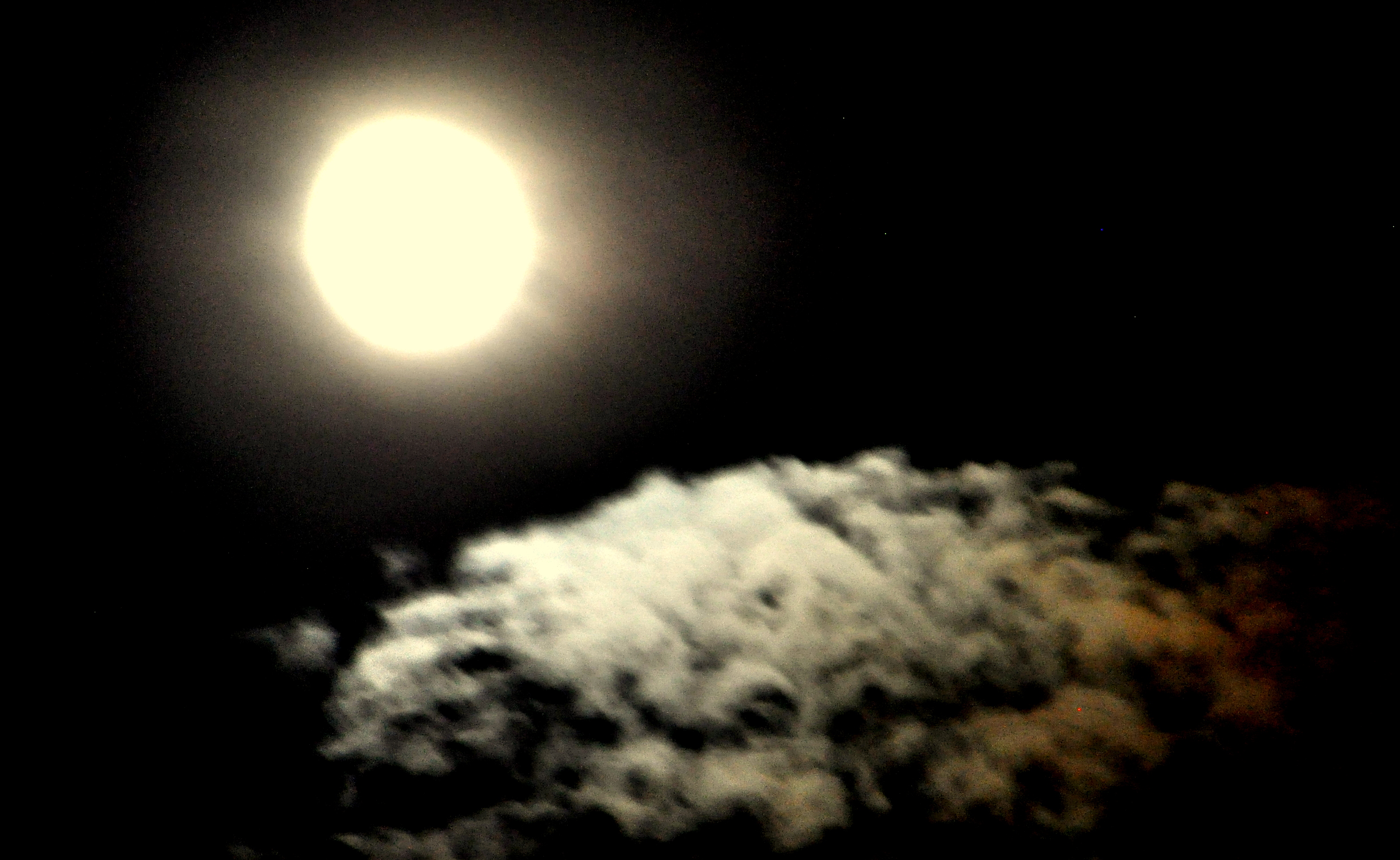
Then when it’s night a yellow moon comes out behind yellow clouds ..
Coldplay knew these things when they sang … “Look at the stars… Look how they shine for you and everything you do ..Yeah, they are all yellow .. they are all yellow…”
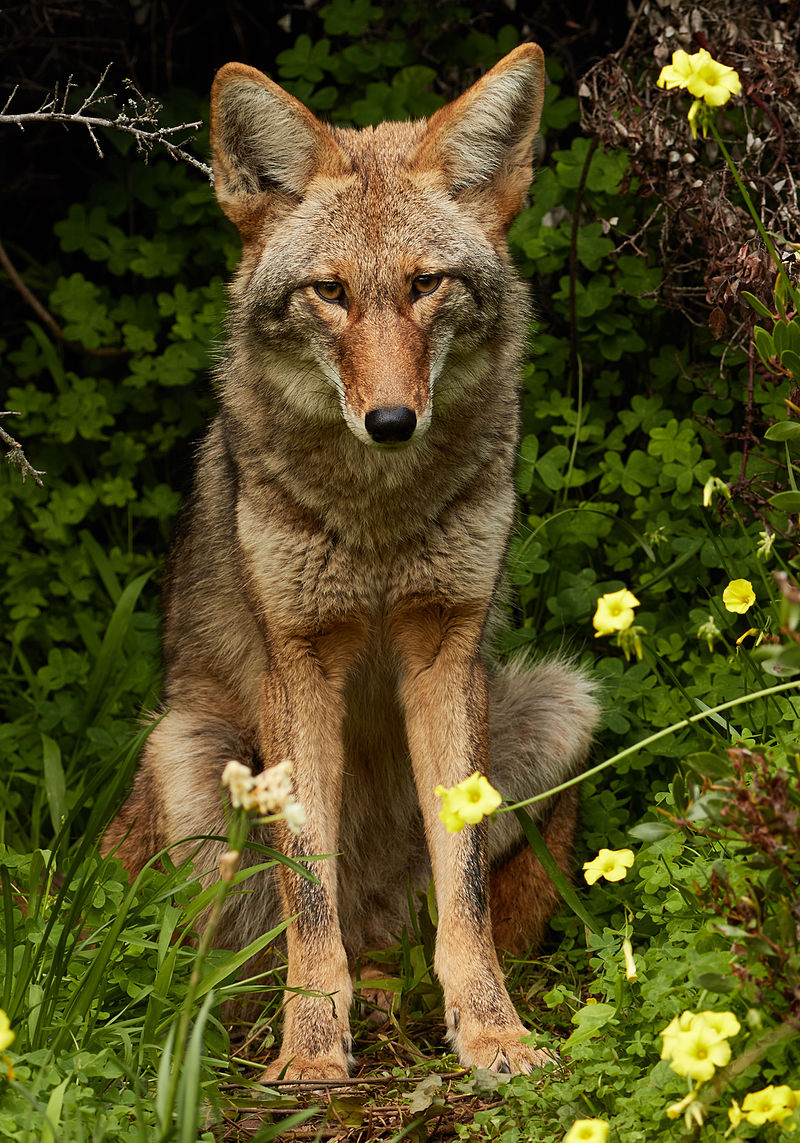
He looked like a skinny German shepherd dog with a big bushy tail.
He had noble confidence about him.
The animals you meet most often in the desert, like rabbits, pocket mice and ground squirrels, get a scared look on their face whenever they see a human. They run away or else they freeze like statues and hide in plain sight. They understand the importance of not being seen.
But not my coyote. This coyote had confidence and nobility. He looked at me without fear, and I thought he was beautiful.
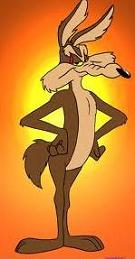
In Native American legends, Coyote is a trickster or the Wise One. He’s usually a mischievous prankster who doesn’t pay any attention to any rules. He’s smart, crafty, selfish and conceited. In the one and only Anglo legend about coyotes, he’s “Wile E. Coyote.”
I never believed how really smart these animals are until I watched one cross Oracle Road. This is a big, six-lane highway with a 50 mph speed limit and a meridian. The crafty fellow took his time, looked both ways, and crossed with his head up in the air, as dignified as a Londoner on a Sunday morning.
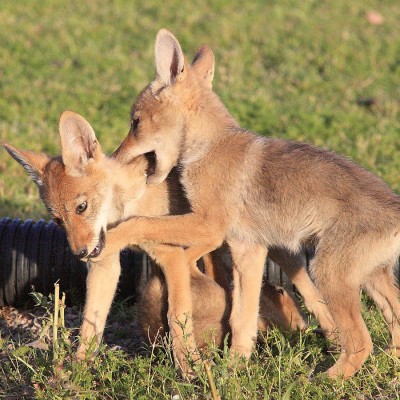
Like so many desert creatures, coyote sleep in the day and come alive at night. They have this magnificent howl –it’s loud and extreme and pierces through the darkness like a terrible scream. And yes, it’s true. Sometimes they do look up and howl at the moon.
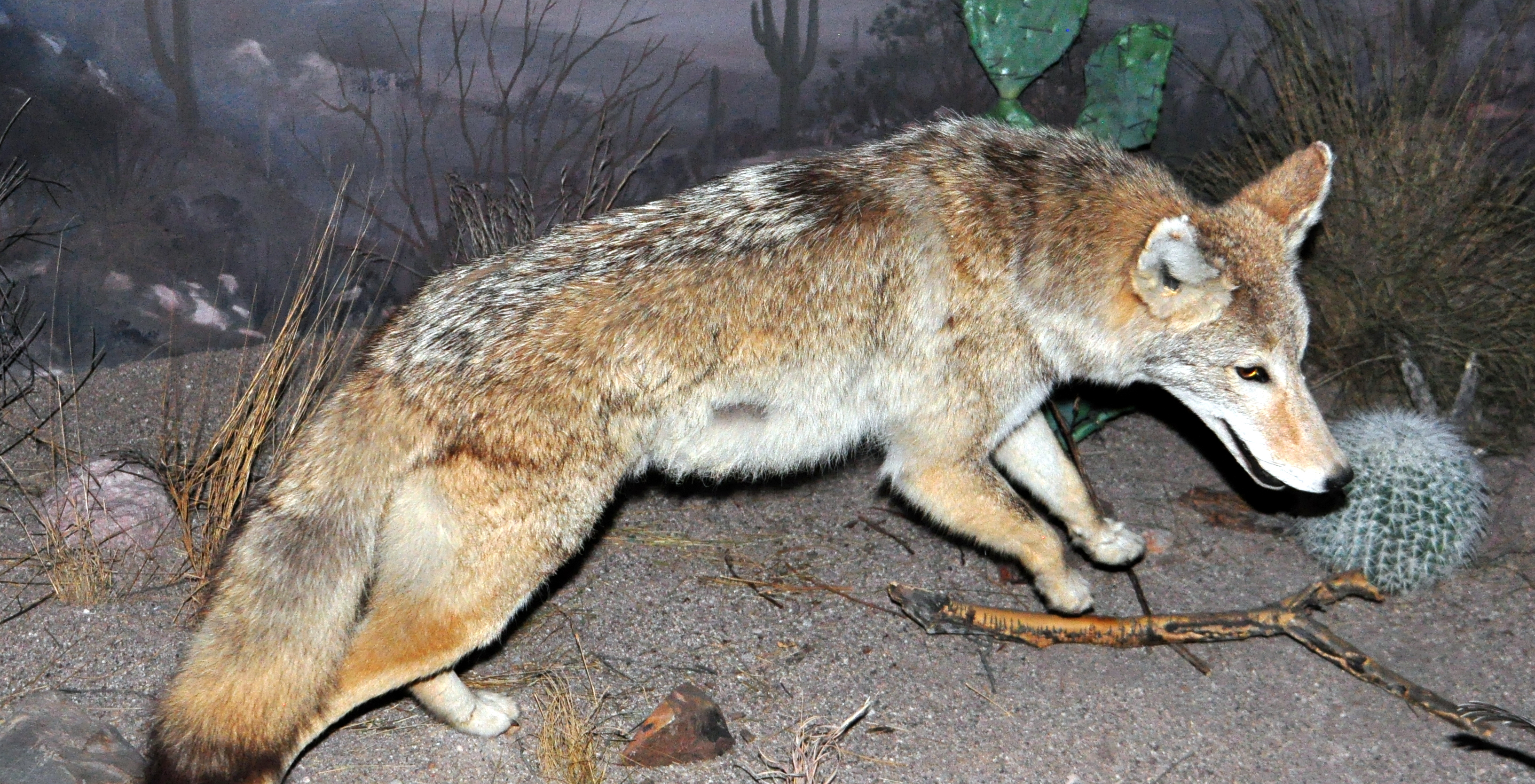
People used to think coyote eat only meat, but now we know that they eat anything they find: seeds, human trash, saguaro fruit, roadkill, and even roadrunners. Their only real enemies are mountain lions, wolves, and us. Maybe because they’re so smart and eat everything, coyote are not on the endangered species list. They are classified “least concern” which means they”re multiplying and thriving. They’re moving into big cities like Chicago and New York, and I think they’ll do just fine there.
If you see a coyote, I hope you take this advice from Chief Dan George, Tsleil-Waututh and make his acquaintance.
One thing to remember is to talk to the animals.
If you do, they will talk back to you.
If you don’t talk to the animals, they won’t talk back to you, then you won’t understand, and when you don’t understand you will fear, and when you fear you will destroy the animals, and if you destroy the animals, you will destroy yourself.
– Chief Dan George, Tsleil-Waututh (1899-1981)
If you want to watch a coyote howl and hear his nighttime sound, try this little video by KB Bear:
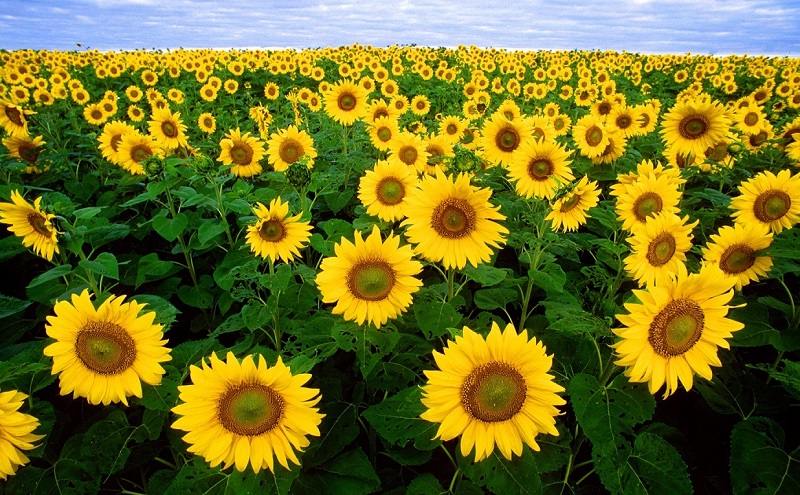
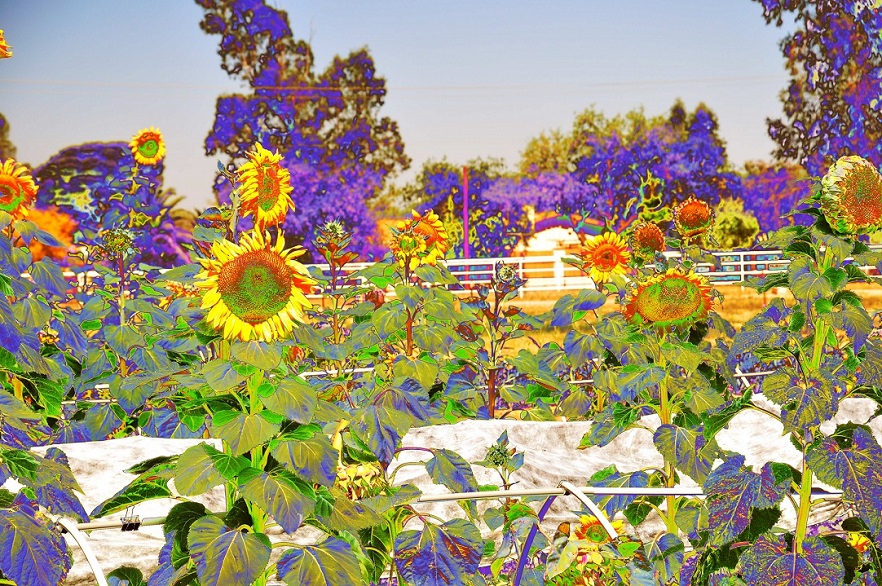
I’d let people in there, but only those who love sunflowers. They’d definitely have to be sunflower people.
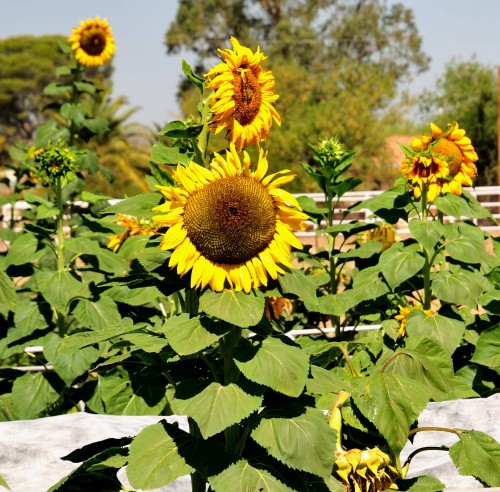
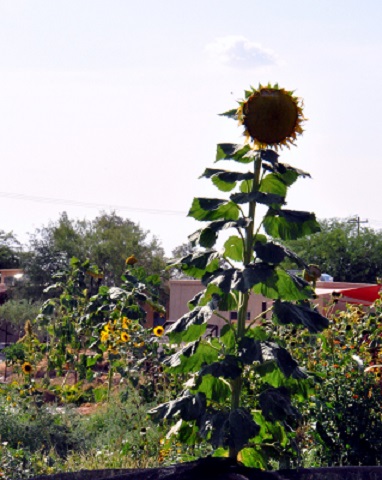
We’d love to draw their big happy faces pointed to the sun — big happy faces of ridiculous sunflowers on their gigantic stalks with their humongous roly-poly heads, awkward like people from some other planet, toddling and teetering like babies with heads too big for their bodies —
— but sunflower people like us understand them.
We’d watch our field of sunflowers, we’d watch the way the wind bends them down and the way they move in unison sometimes but sometimes not. The way their bright yellow is perfect against a turquoise sky!
The way they appear to be smiling just at you!
Hello Sunflower! Taller than me!
We won’t think about water or soil or seeds or any such thing. We would just have sunflowers.
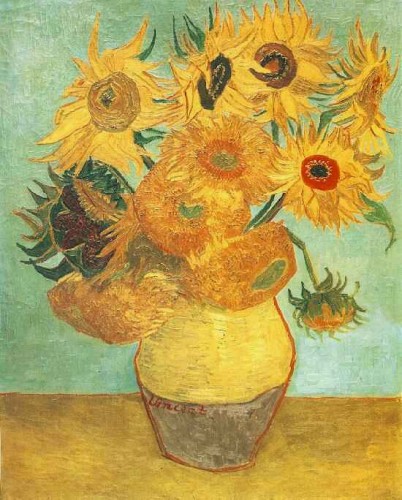
We would never put them in a vase because they are too big and besides they belong in a sunflower field after all. They are too big and electric with light and sun to go into a vase. Can you really think that you could vase-up magic? Van Gogh knew better, which is why he got crazy-high drawing a simple vase full of simple sunflowers. He knew the power of sunflowers, yes indeed he did.
If you walk through a field of sunflowers, you can get drunk and slant without drinking anything at all!
The sight of them –with their wild colors and crazy shape and the way they sway and dance in the sun– makes you, as Emily Dickinson wrote, “reel through an endless summer day.” And you just reel away — tipsy slant! High on nature– you taste her liquor never brewed, you debauchee of sunflowers, you!
For more of Jane’s writing about Emily Dickinson, go here.


 The riverbeds fill up and develop currents that drown automobiles and people. The little dry creeks run again.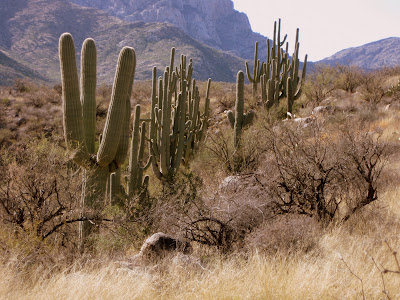
 …
…